While in general Elestrals cards are written with the intent of being easy to read, sometimes our ideals have to clash with the reality of things, and ambiguity abounds. This is intended to be a final guide for interpreting Elestrals cards. Where applicable, references to the Complete Rules Reference will be included in square brackets.
Up to date as of: Divine Champions — Sunstrike
Collect
This guide will always refer to the most recent formatting we use for cards, which you can always find on collect.elestrals.com. Even if a card hasn’t been reprinted in a while, by browsing Collect you can find its updated text that’s in line with current norms and rulings.
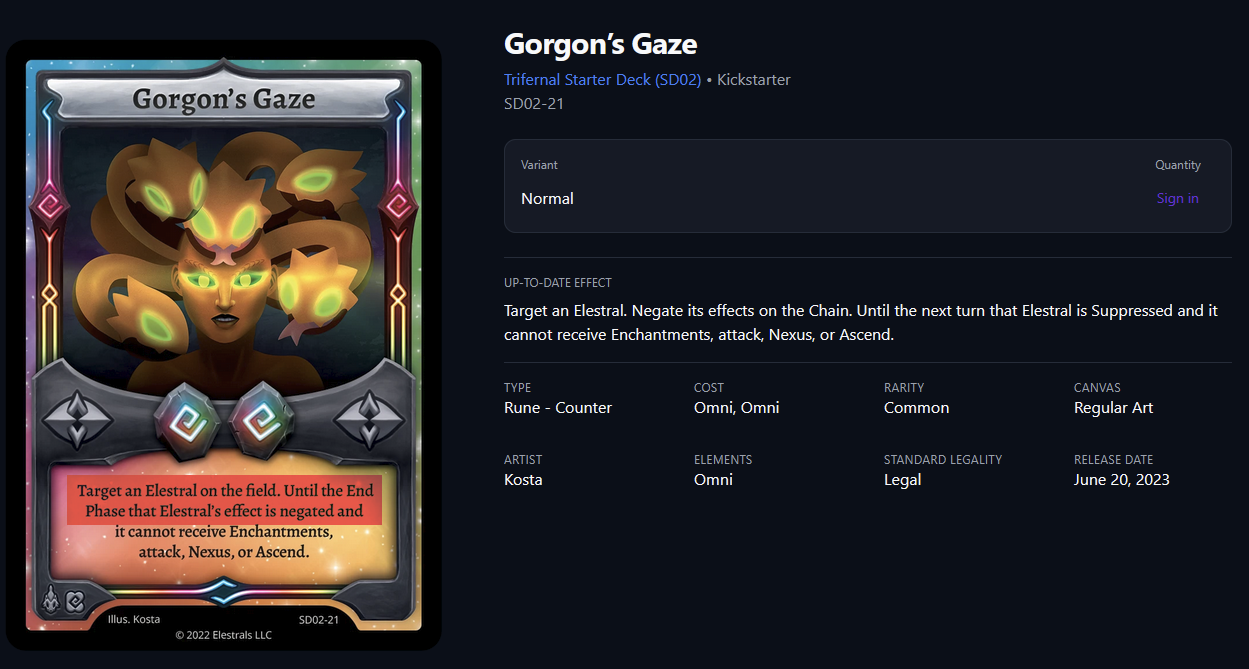
Collect will show you every different printing that a card has received, and by clicking on it you can go the card's page where it will showcase its true text in the box on the right. Notice how the Kickstarter version of Gorgon’s Gaze has now outdated text, and how you can find the “UP-TO-DATE EFFECT” by its side.
Effect types
For a quick recap, there are four different types of effects that an Elestral card can have [4.1.2.]:
- Passive: effects that don’t activate and always affect the game state;
- Active: effects that can be manually activated by their controllers, once per turn during their Main Phase;
- Conditional: effects that can only activate in response to certain events happening in the game, and can do so multiple times each turn;
- Instant: effects that happen as a result of an Invoke or Counter Rune resolving.
If an effect includes the words “you can”, “you must”, “your opponent must” (or, in general, any variation on “a player can” or “a player must”) then it’s either a conditional (if it starts with the word “When”) or an active (if it doesn’t).
Effects are always written from the perspective of the player controlling them and are always activated by them. Stadium Runes are an exception to this, if they say that “a player can/must do something” then that player is the player that activates that effect, independently of who controls the Stadium Rune. [4.1.18.]
Costs, Targets and Conditions
A cost is a series of instructions that must be completed so that a different action can be performed, typically activating an effect or Casting a card. Everything printed before an “in order to” or after an “if you also” is a cost. [1.6.1.]
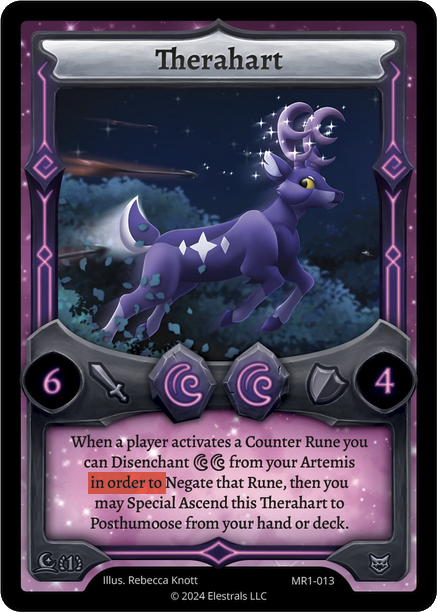
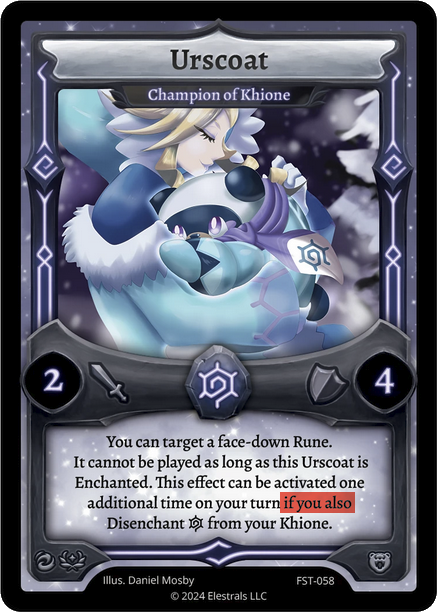
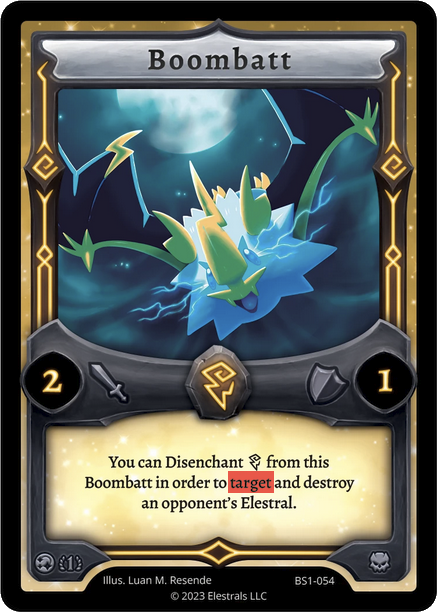
Any effect that includes the word “Target” requires those targets to be announced when the effect is activated, before paying its costs. Playing an Artifact Rune also requires players to declare which card it is going to Empower when the Rune is put on Chain, but it’s not considered to target that card. [4.1.5.] [7.3.2.5.]
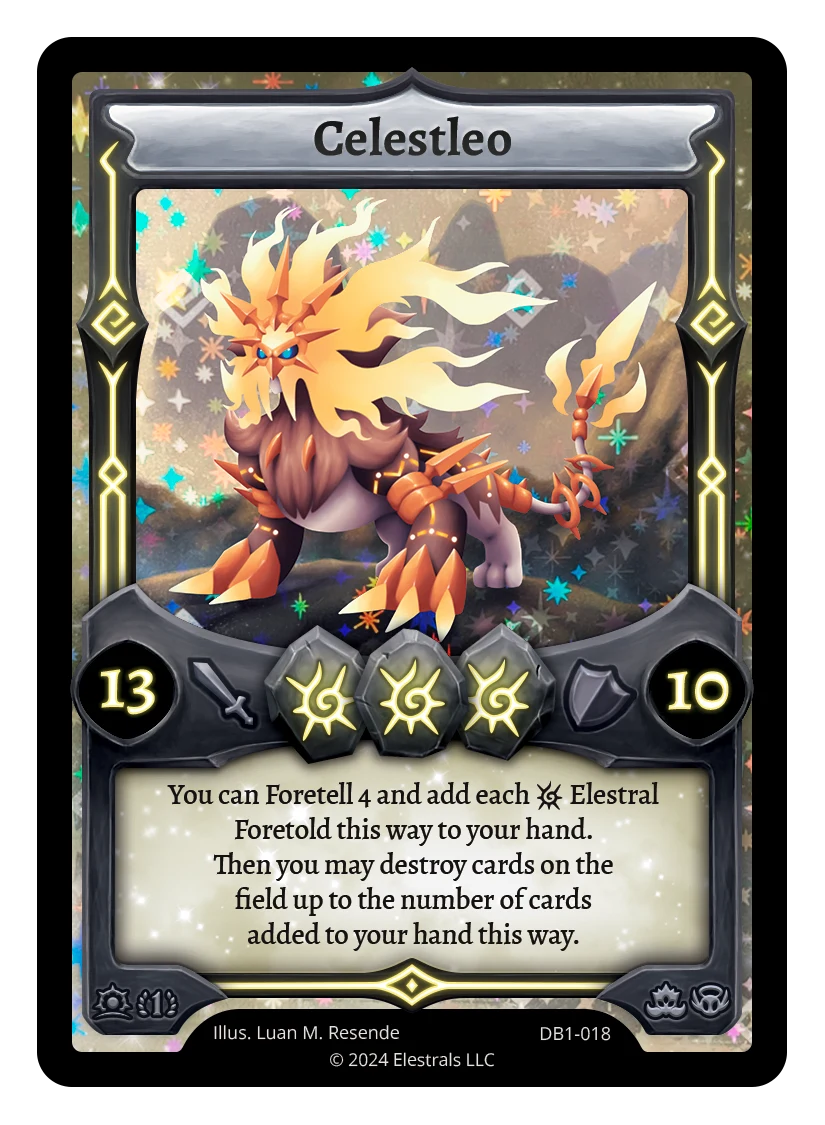
If an effect ends with an “if” condition then that condition is an activation condition that only needs to be satisfied for the effect to be activated. Once it’s been activated, it does not need to be satisfied anymore for the effect to resolve. [4.1.11.]
An active effect might also be preceded by a timing condition that specifies a different step or phase in which it can be activated other than its controller’s Main Phase.
Mandatory vs Optional Effects
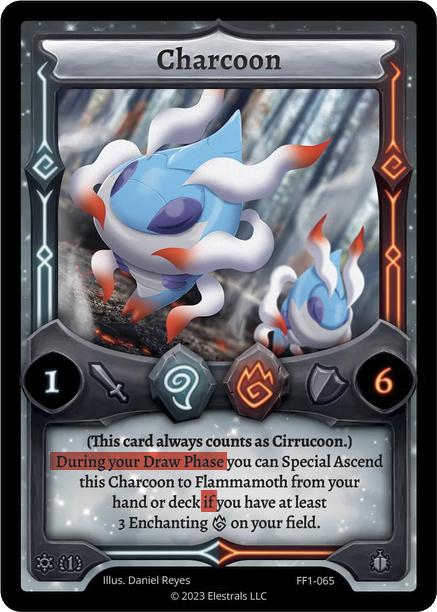
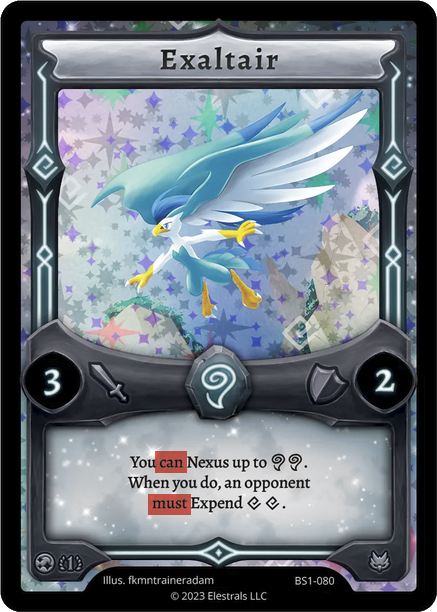
Any active or conditional effect that uses the word “can” is an optional effect and players can decline activating it, while an active or conditional effect that uses the word “must” is a mandatory effect that has to be activated at every opportunity it has.
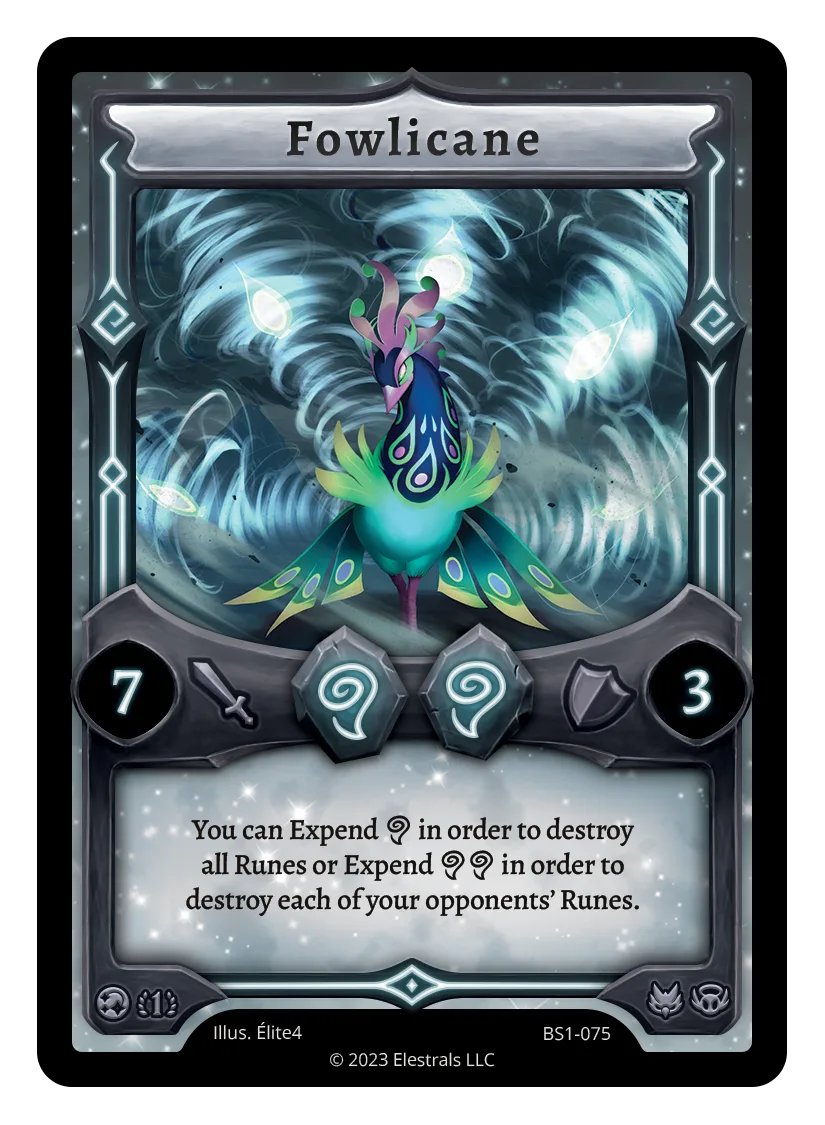
An effect being mandatory or optional only affects whether or not a player can decline to activate it. Once an effect has been activated and begins resolving, all instructions in the effect have to be performed in full, except for those that say “you may”. Those can always be declined. [4.1.3.]
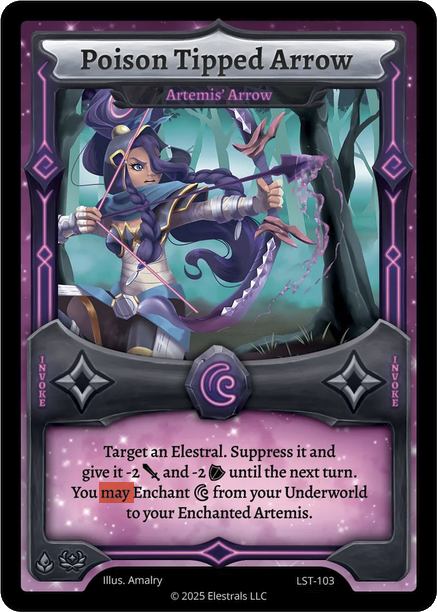
Certain passive effects will also say that “you may” do something, these enable you to perform optional actions at specific timings / under specific conditions in a way that doesn’t activate.
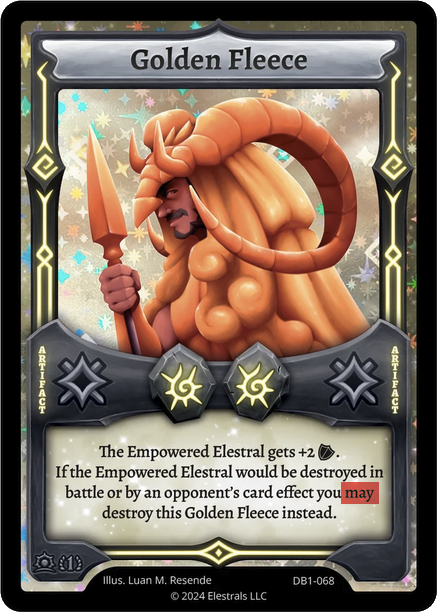
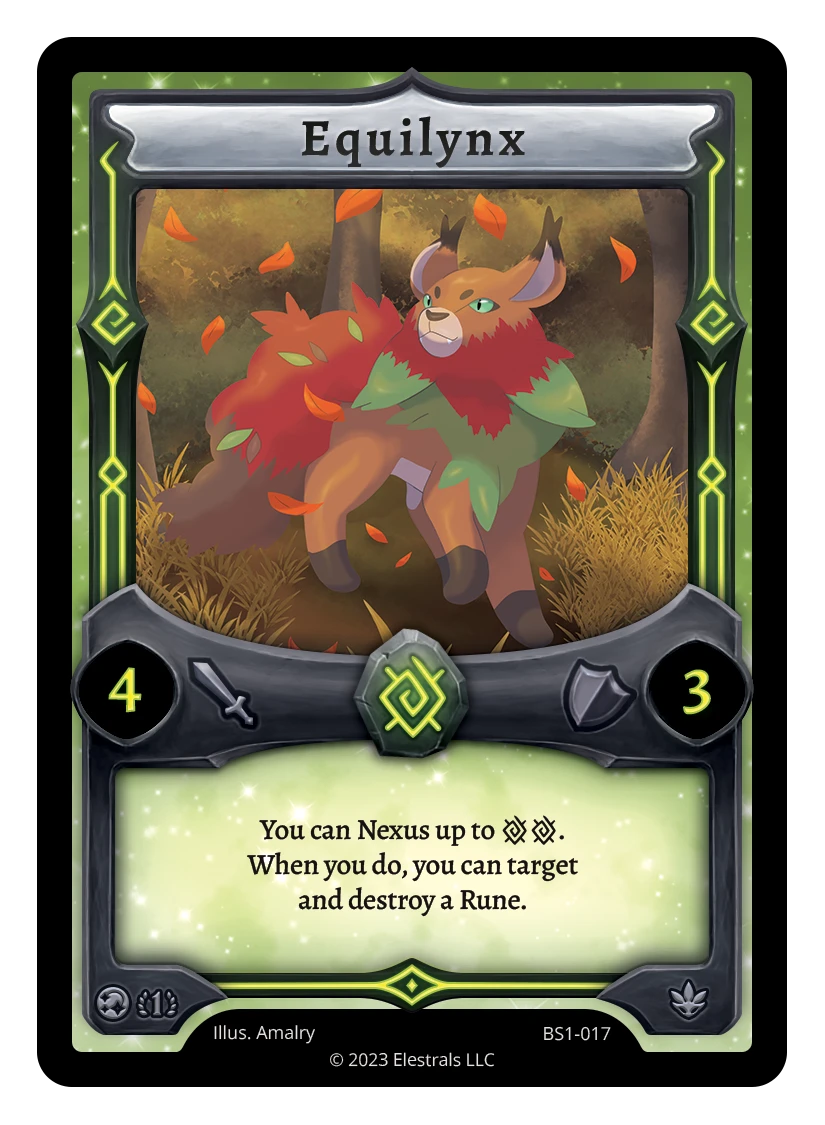
Note that if an effect says to do something “up to” a number of times, or to “up to” a number of objects, then it’s always possible to do it 0 times or to 0 objects. These are, in practice, also optional parts of effects.
Cast Restrictions and Alternative Cast Conditions
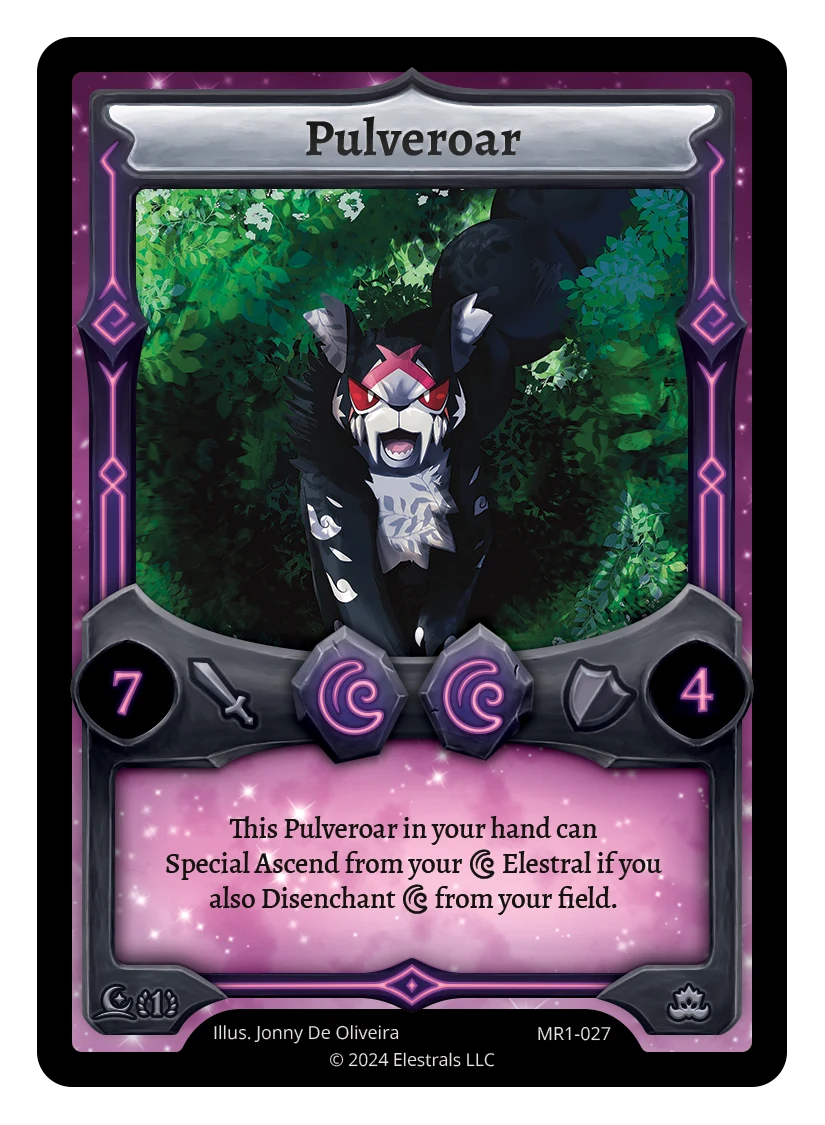
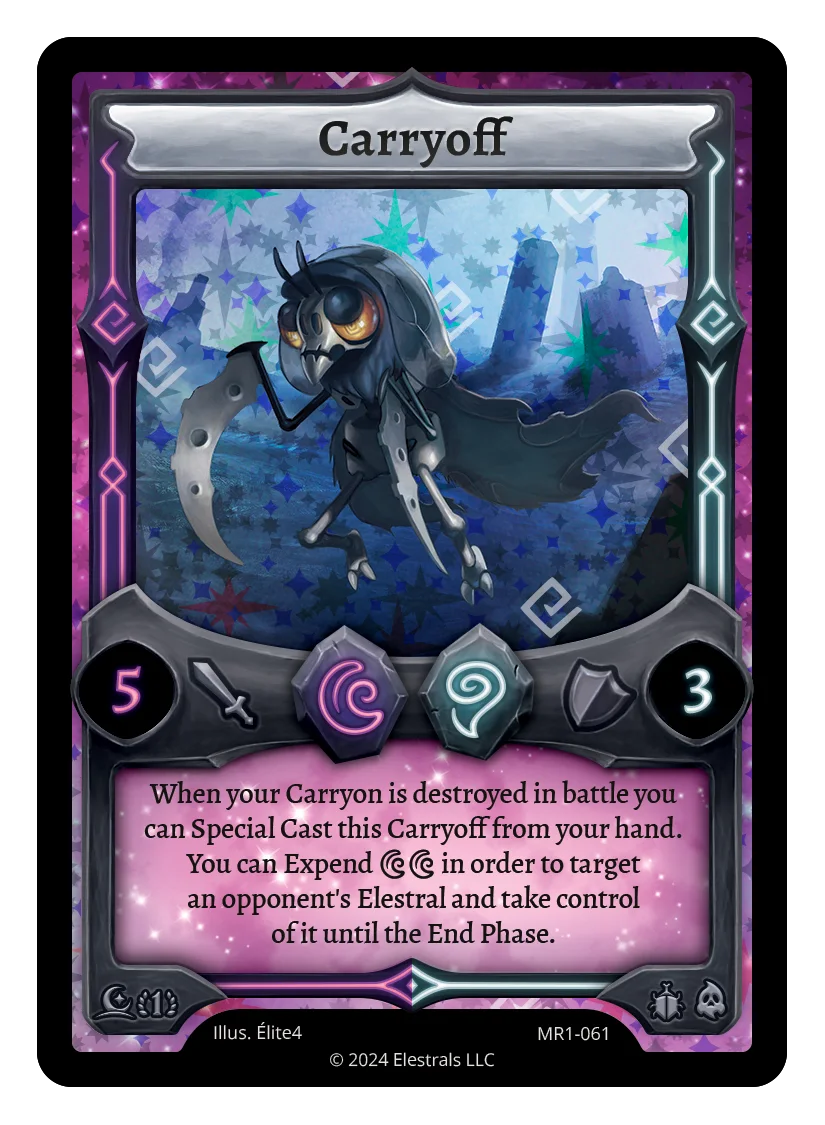
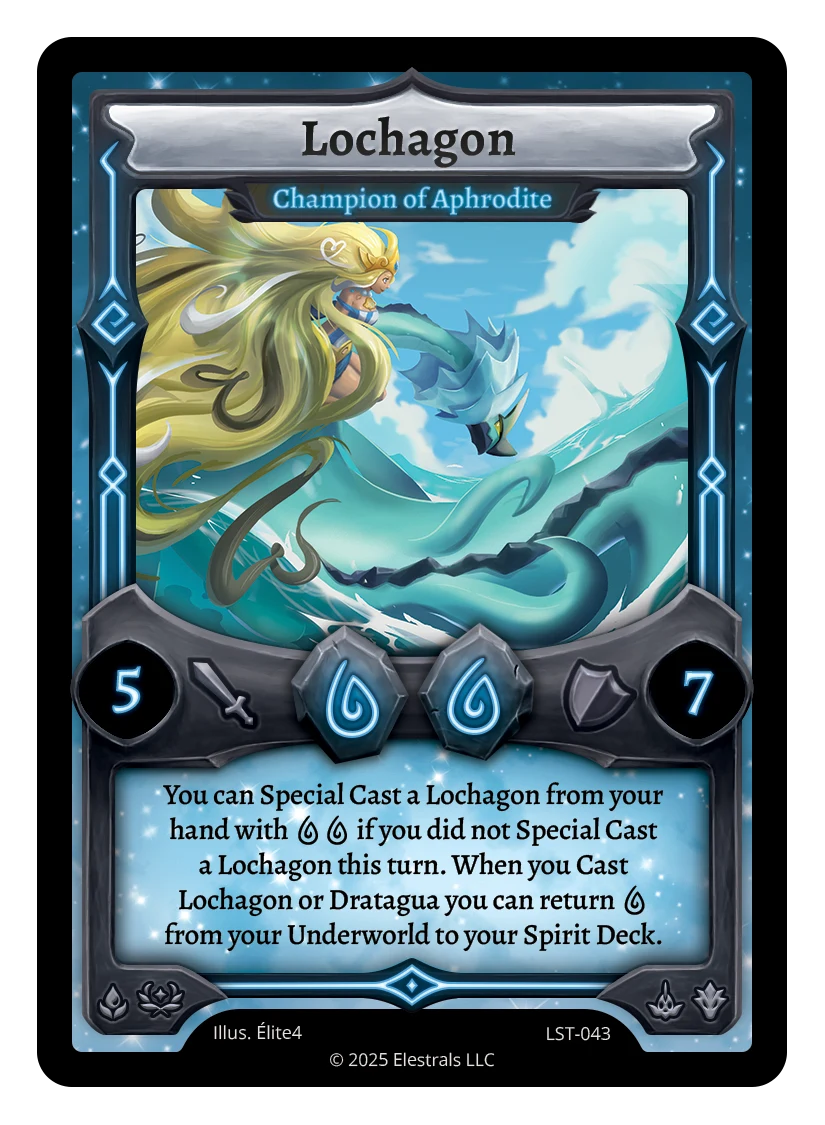
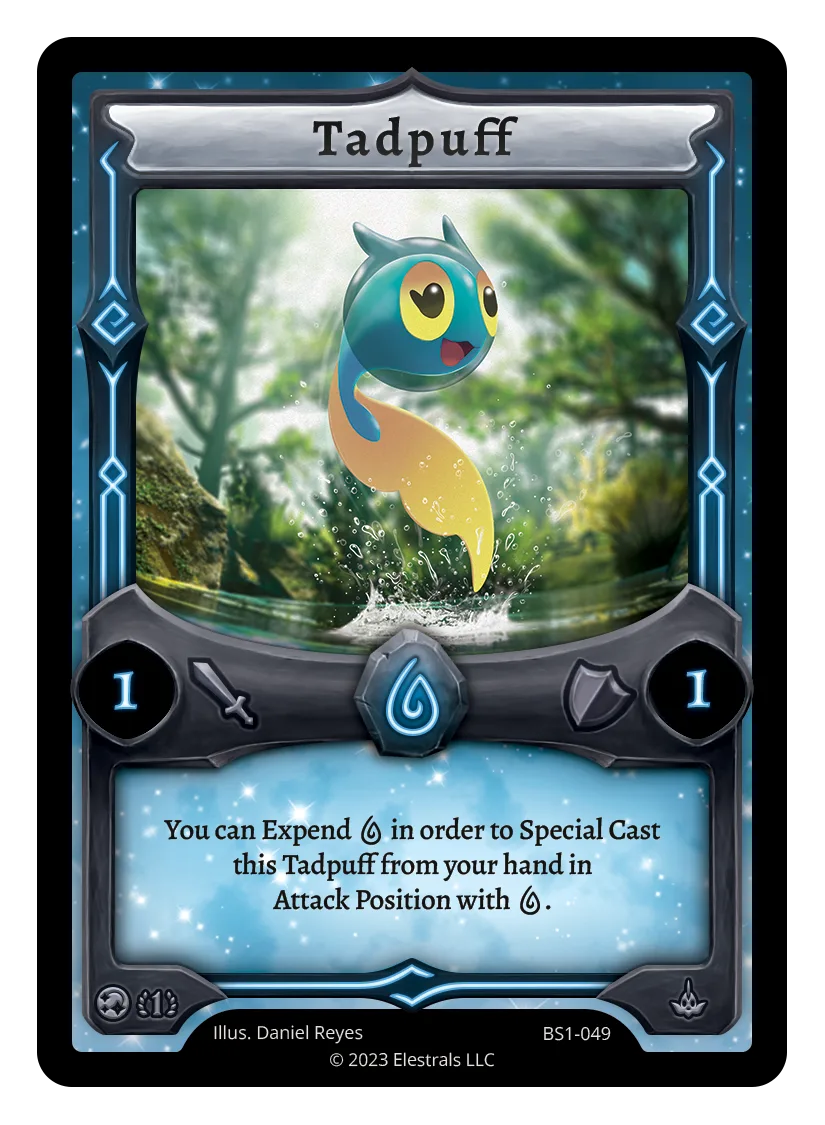
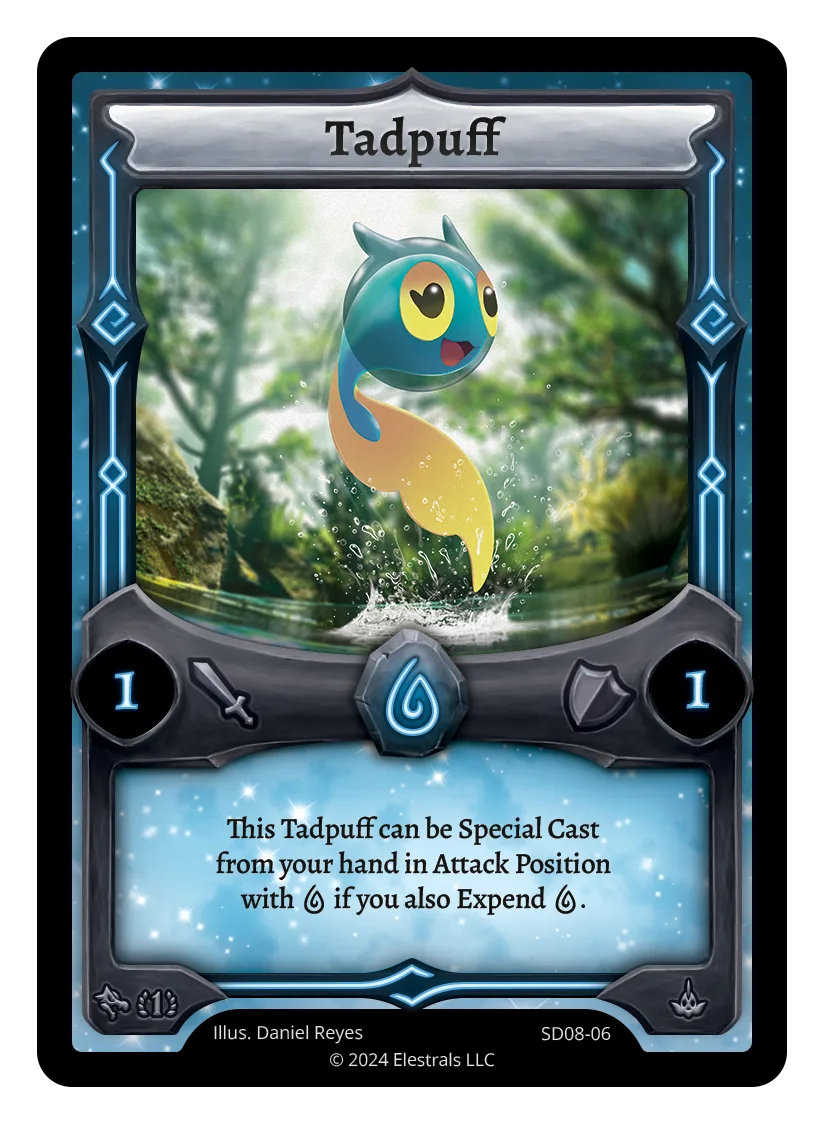
The first line on certain cards will either restrict under which conditions the card can be played or offer an alternative way to play the card. They are written as “This card can only be played if/when/after [condition]” or “This Elestral in your hand can be Normal/Special Cast if [condition]”. These are always considered passive effects, despite saying “can” they don’t say “you can” and so they are not effects that activate.
Effects over Multiple Sentences and Delayed Effects
In general, periods indicate the end of an effect and the beginning of a new effect. There are however a number of exceptions that’s important to note:
- If a sentence starts with “If you do” or “Then” it’s a continuation of the previous effect. (ex: Fulgaries Champion of Zeus)
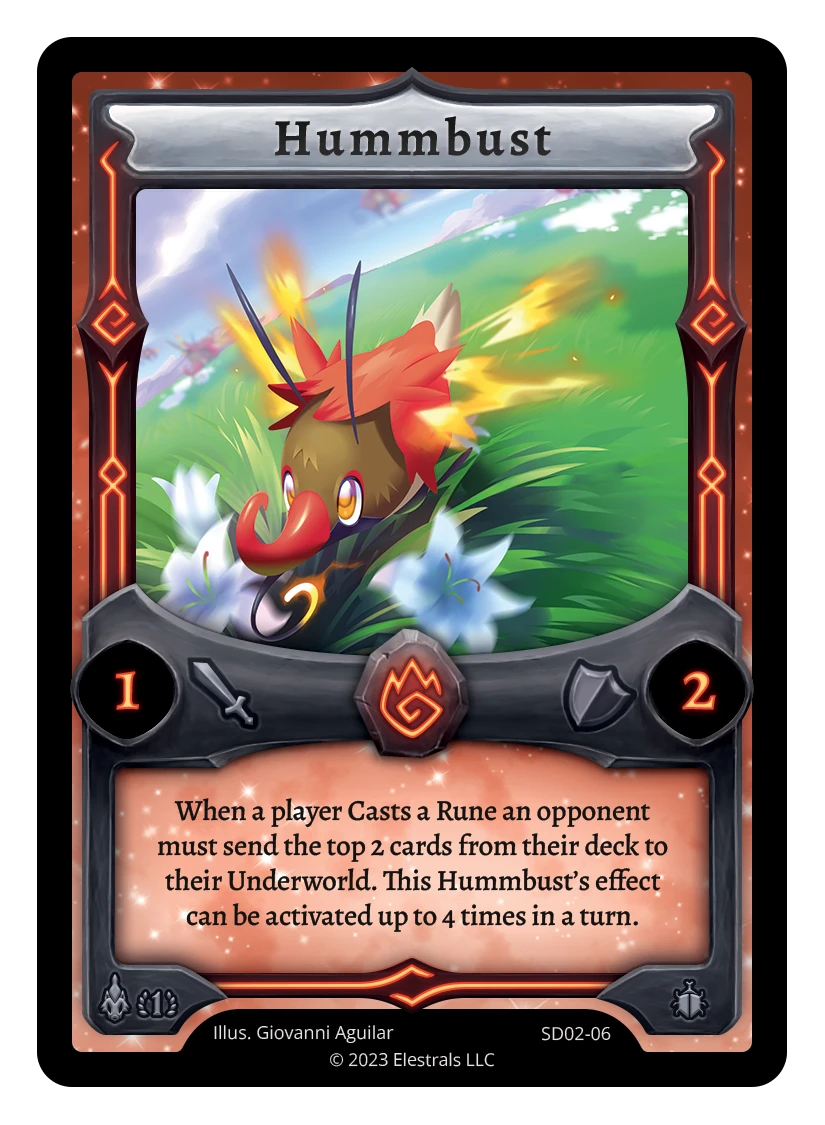
- An effect may be followed by an additional sentence referring to “this effect”, to an action performed “this way”, or to some other detail of the previous sentence’s effect or activation condition, and this new sentence provides additional instructions, restrictions, and/or conditions to the previous line. This is all considered one effect. (examples: Trifernal, Waspyre, Hummbust, Nemistar, Mosstacean Champion of Demeter)
- If an effect is followed by a sentence saying that you have to do something “instead” of whatever the previous sentence said, then it’s all considered one effect. (ex: Eruption)
- If an effect targets or asks you to choose something, and the next sentence includes instructions on what to do with them, then it’s all considered one effect (ex: Krakkid)
- If an effect that Foretells is followed by a sentence giving instructions on additional actions you can take during the Foretell, then it’s all considered one effect (ex: Leobrite)
- If an effect flips a coin then what happens on a Heads or on a Tails is going to be written as separate sentences, but they all count as one effect. (ex: Gammbitt)
- On Invoke and Counter Runes, every line that’s not part of the activation condition and isn’t a separate Conditional or Active effect is all considered a singular Instant Effect (ex: Golden Apple of Discord)
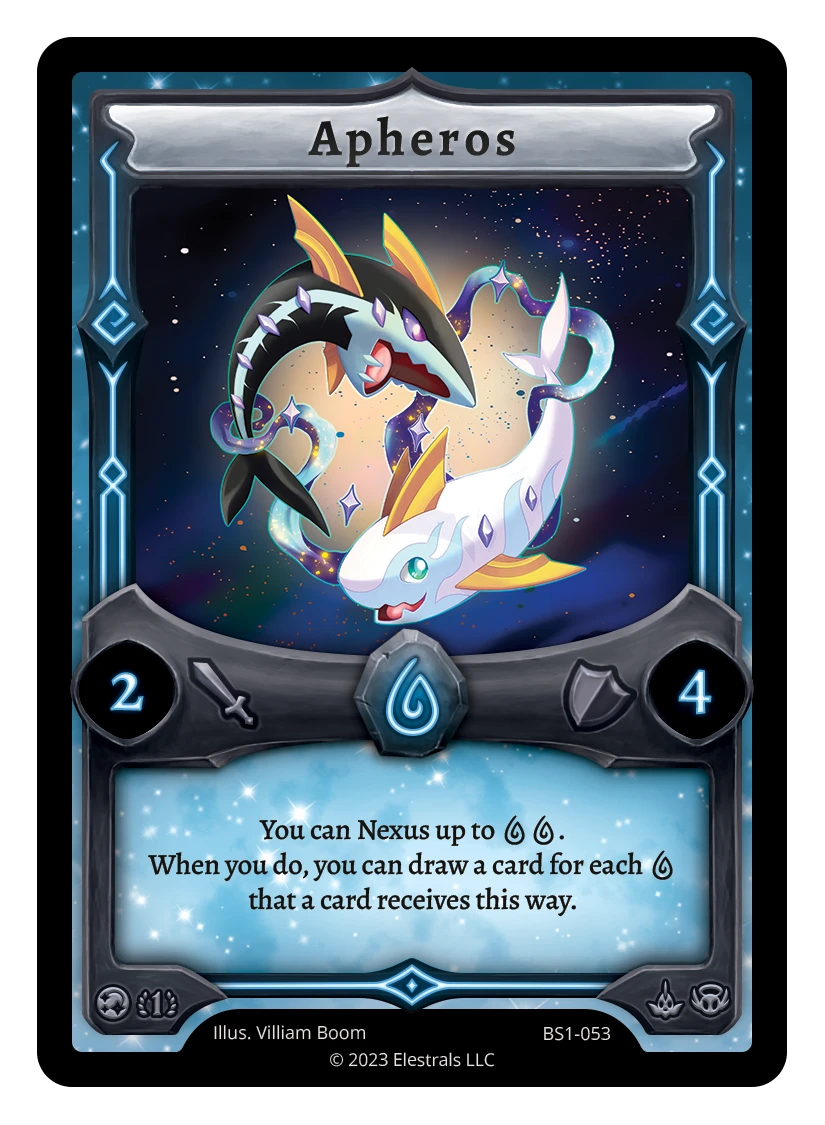
Any instance of the word “when” always denotes a new effect. In particular, any time an effect is followed by a new sentence that starts with “When you do” that’s considered a new effect that’s “linked” with the previous one. [4.3.4.]
Passive effects are always standalone effects, more on how to tell them apart from lingering effects in the next section.
Some effects will include a “when” that’s not at the start of a sentence, or a “you can/must” that refers to a timing that’s different from that of the resolution of the effect. These are delayed effects, they can be put on Chain at the appropriate timings independently of what happens to the original card/effect that set them up. [4.1.14.]
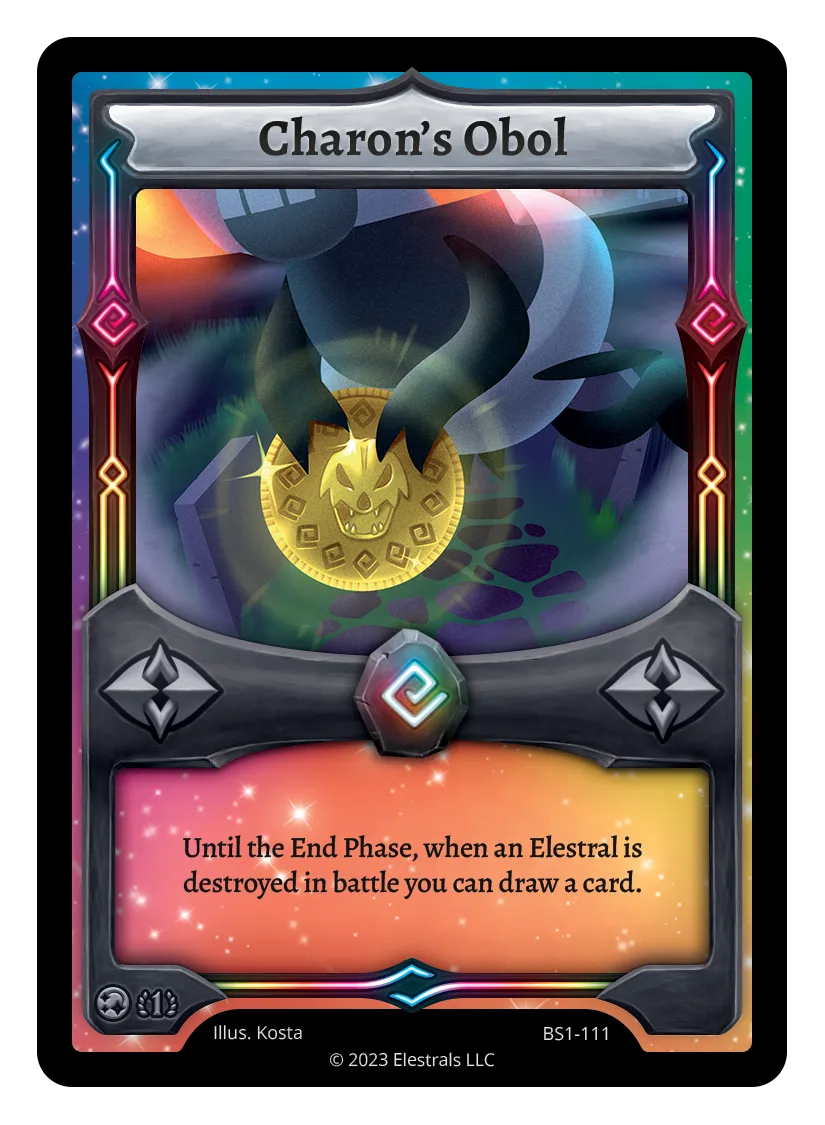
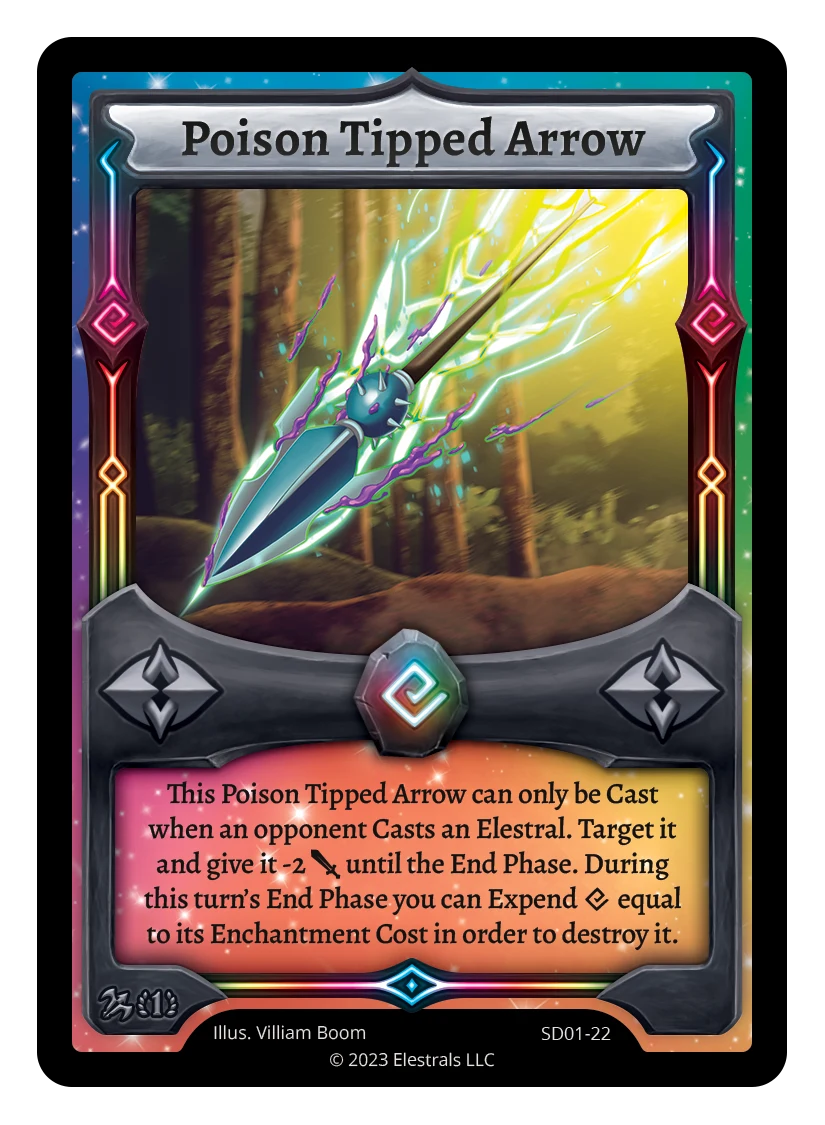
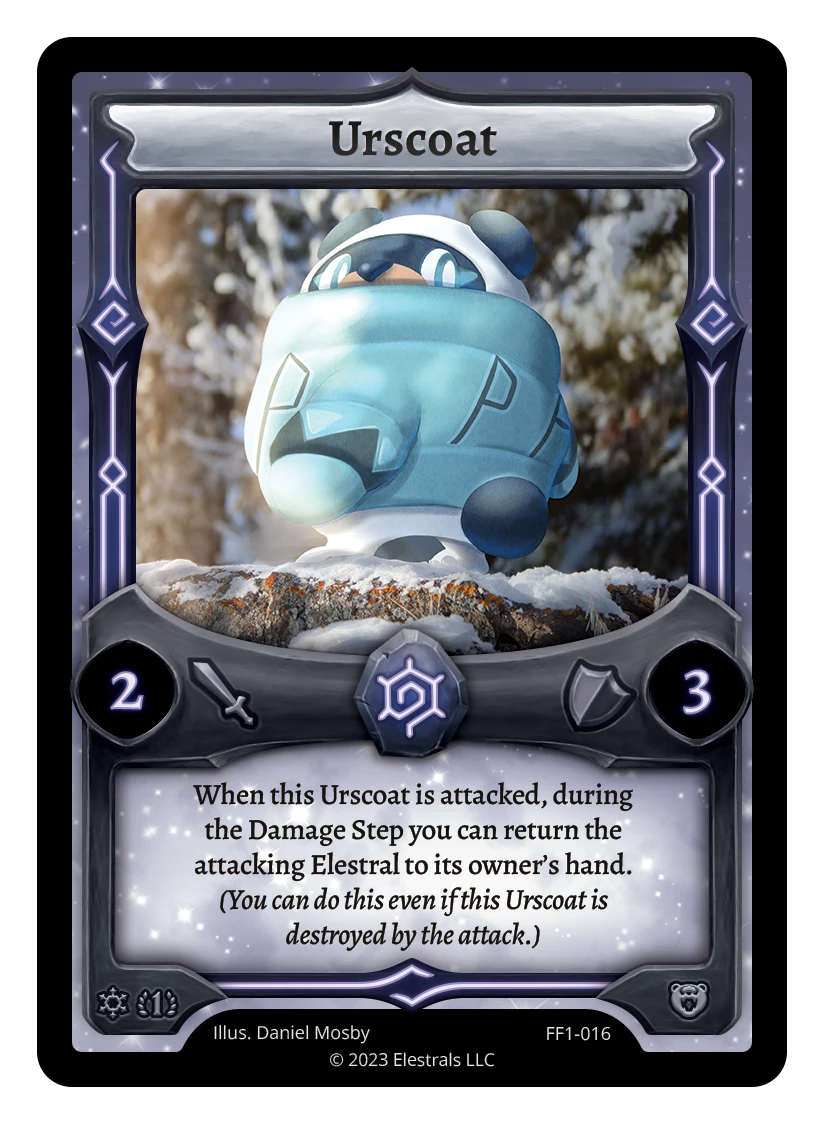
Passive vs Lingering Effects
Passive effects are written as statements about the game that are just true, while Lingering effects are the results of an activated effect affecting the game state after its Chain Link has resolved. Thus, a Lingering effect will be paired with a “can” or a “must” someplace in its text, while Passive effects are standalone.
If an effect uses the words “Until” or “As long as” then that’s a lingering effect with a duration, and once the duration or condition has expired the effect doesn’t start applying again if it goes back to being true. Conversely if an effect uses the word “While” then it’s a passive effect that’s only conditionally active. [4.1.10][4.4.2.]
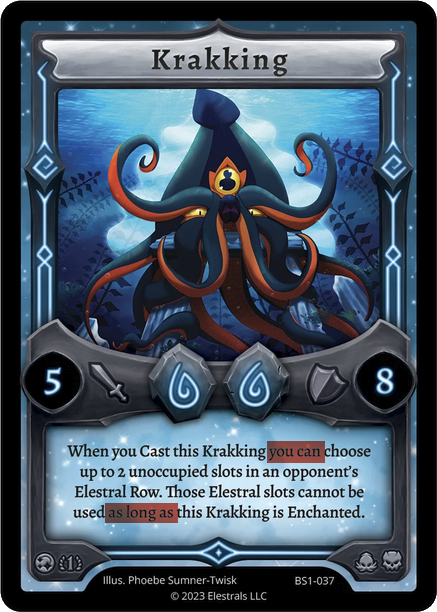
Usually passive effects will use verbs in a passive voice, while lingering effects will use an active voice. For the case of applying stat changes, passive effects say that the affected Elestrals “get” a certain modification, while lingering effects “give” that modification.
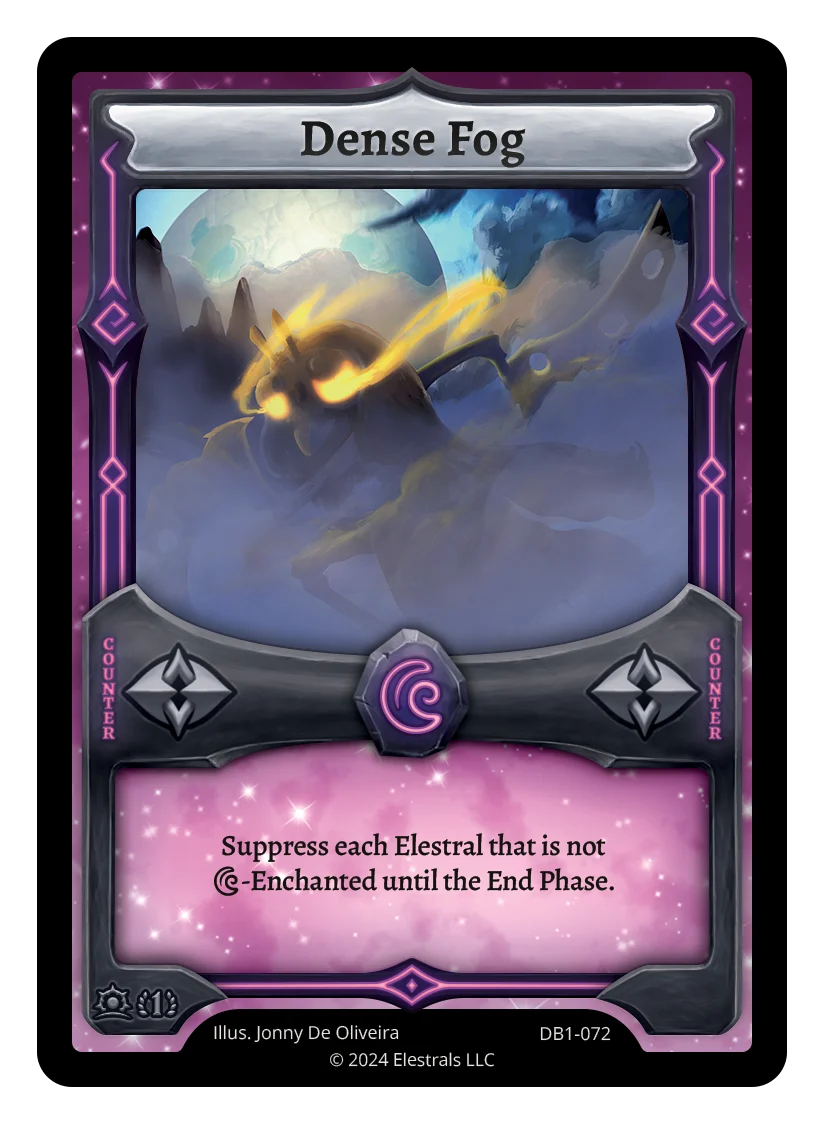
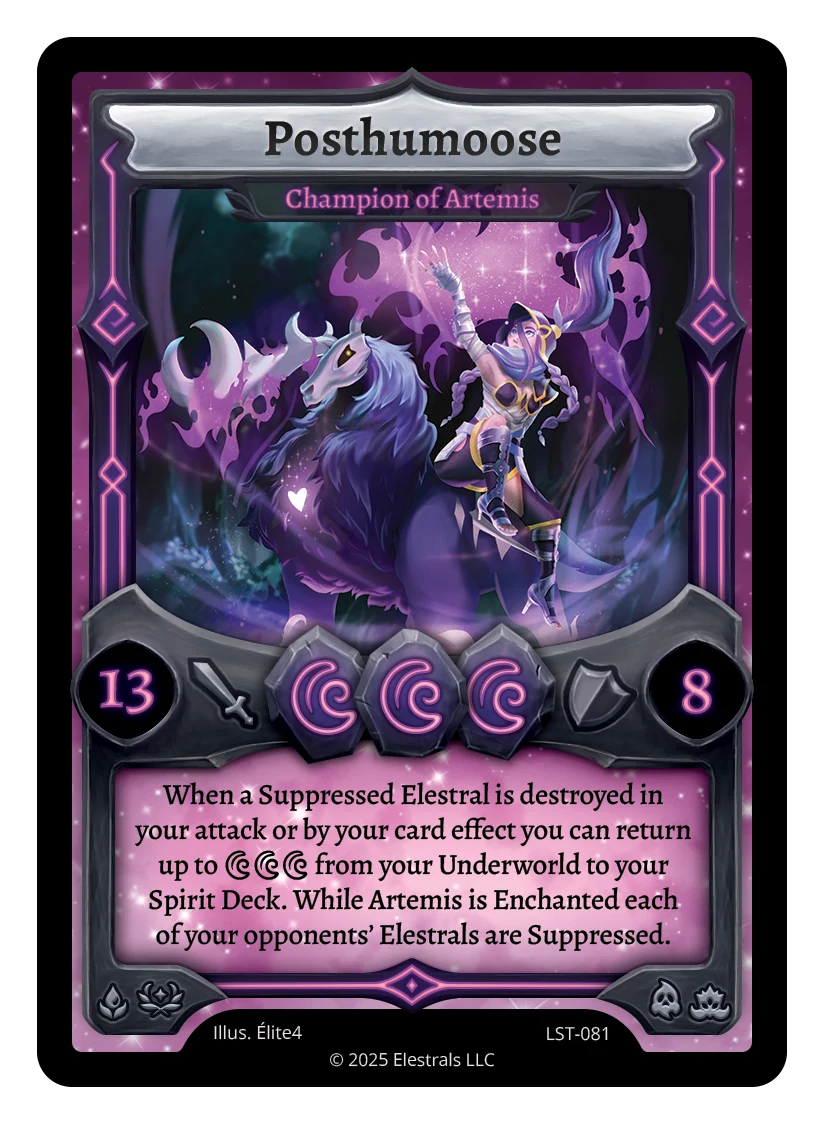
Rummacoal is an exception to all this, it has a passive effect that says “as long as” instead of “while” due to stylistic concerns.